Sliding Aluminium Doors: Energy-Efficient Home Improvements
The Advantages of Setting up Eco-Friendly Sliding Doors in Your Home
Energy-efficient sliding doors present a practical solution for homeowners desiring to enhance their living spaces. These doors not only boost insulation but also enable for an profusion of natural light, which can alter the ambiance of any room. Their modern design can raise a home's aesthetic appeal and market value. However, the benefits go beyond aesthetics and comfort, sparking a closer analysis of their overall impact on home efficiency. What aspects should homeowners comprehensive article consider?

How Sliding Panel Doors Overcome Energy Efficiency Issues?
Sliding doors, though visually appealing, serve a crucial function in boosting energy efficiency within homes and commercial spaces. Their design allows for abundant natural light, decreasing the need for artificial lighting during the day. This natural illumination not only brightens interiors but also contributes to lower energy consumption.
Moreover, modern patio doors are commonly equipped with advanced weathersealing and excellent glazing, which minimize air leakage. This prevents unwanted air movement and facilitates sustaining a consistent temperature control, as a result cutting energy bills.
Additionally, the sizable glass panels can be formulated to reflect heat during the summer and preserve warmth in the winter, even further aiding in energy efficiency. By integrating sliding doors into their layout, homeowners and businesses can achieve a symmetry between style and sustainability, creating a more efficient energy footprint while elevating the overall character of their spaces.
The Method Glass Sliding Doors Amplify Your Home's Insulation
While many residents focus on aesthetics, the energy-saving advantages of patio doors are just as important. Energy-efficient sliding doors are constructed to reduce heat flow, effectively maintaining homes warmer in winter and cooler in summer. They often contain frames with multiple chambers and double-pane glass, which work together to lower energy consumption.
Additionally, these doors frequently come equipped with weathersealing materials that blocks drafts, additionally enhancing thermal performance. By creating a tighter seal, sliding doors help maintaining a stable indoor climate, reducing the dependence on heating and cooling systems. This not only results in increased comfort but also promotes reduced energy bills.
Also, reinforced insulation helps decrease noise pollution from outside, making a more serene residential environment. Generally speaking, the insulation properties of energy-efficient sliding doors offer real-world advantages that optimize the home's energy savings while delivering a agreeable home environment.
Why Natural Light Counts in Your Home?
Natural light contributes substantially in boosting the appeal and practicality of a home. It establishes a welcoming environment, making spaces feel larger and more open. The amount of sunlight can also enhance emotional health and happiness, leading to a brighter home atmosphere. Research indicates that time spent in sunlight can improve productivity and focus, providing significant advantages for work areas at home.
Additionally, sunlight can reduce energy consumption by minimizing the need for artificial lighting during the day. This not only reduces electricity bills but also diminishes the overall environmental impact. Moreover, homes flooded with natural light often appear more visually appealing, showcasing interior design elements more effectively. By incorporating eco-friendly sliding doors, homeowners can maximize the flow of natural light while maintaining energy efficiency, ultimately enhancing both comfort and visual appeal in their living spaces.
Increasing Aesthetic Appeal By Installing Sliding Doors
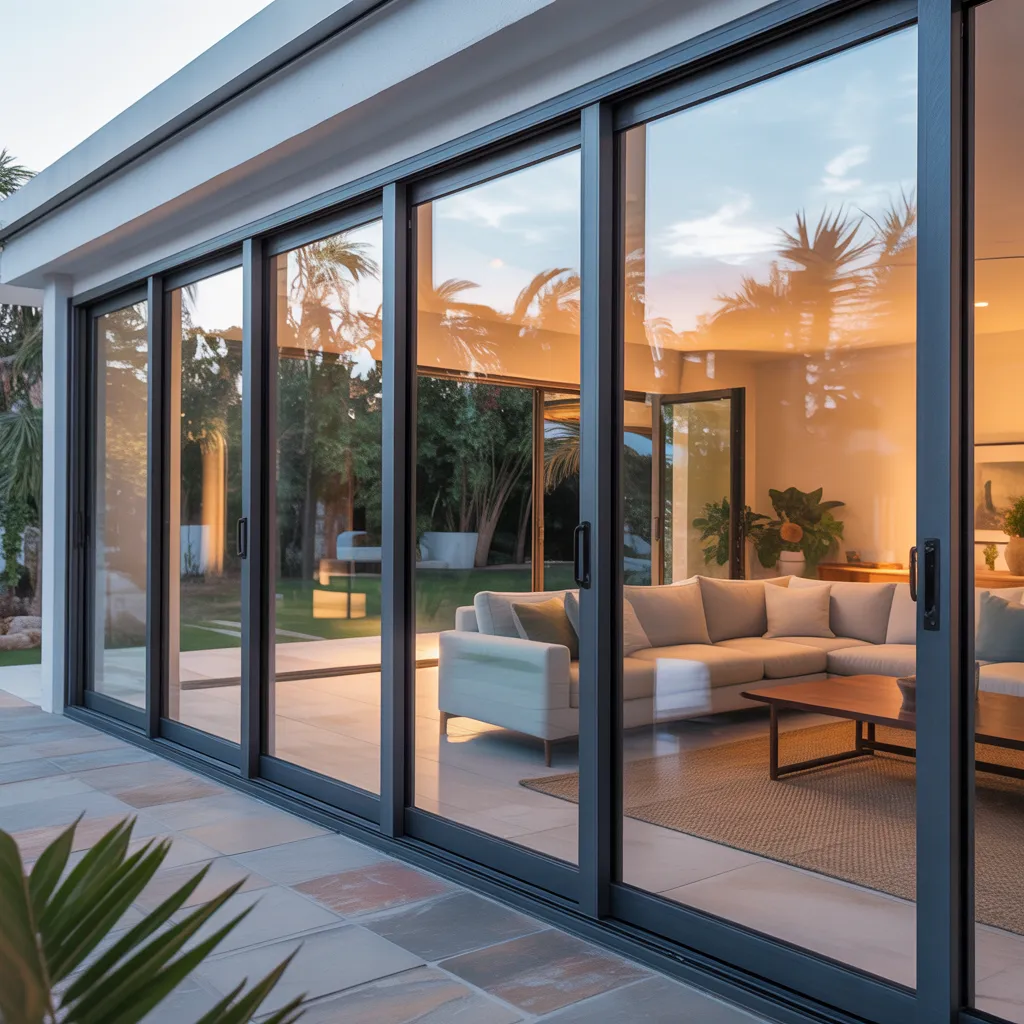
Installing high-performance sliding doors can greatly enhance a home's curb appeal, as they combine functionality with modern aesthetics. These doors serve as a striking focal point, capturing interest and inviting passersby to appreciate the home's design. Available in multiple design options and colors, high-performance sliding doors can enhance different architectural features, from modern to classic.
The large glass panels allow natural light to pour into interior spaces, producing an appealing atmosphere that extends the living area outside. This fluid transition boosts the home's overall appeal, making it seem larger and more spacious. Moreover, homeowners can pick options that showcase their personal style, strengthening their unique identity.
Moreover, the sleek lines and uncluttered design of sliding doors establish a modern aesthetic, making the property more inviting to potential buyers. By investing in sustainable sliding doors, homeowners not only refine aesthetics but also enhance the property's value and marketability.
Deciding on Selections for Eco-Friendly Sliding Doors
Finding the correct materials for energy-efficient door units is necessary to optimizing their performance and aesthetic charm. Conventional options include vinyl, fiberglass, and wood, each offering individual benefits. Vinyl is celebrated for its excellent insulation capabilities and low maintenance demands, rendering it a sought-after choice. Fiberglass supplies durability and immunity to warping, while also offering good energy conservation. Wood, though visually beautiful, often demands increased maintenance and may need additional insulation to meet energy standards.
The choice of glazing also serves as a vital role. Multi-pane glass with low-emissivity coatings can significantly reduce thermal transmission, improving energy performance. Furthermore, choosing window frames with thermal breaks can additionally improve thermal insulation. Ultimately, a thorough assessment of material options, paired with energy-efficient features, guarantees that sliding door systems not only enhance the home's aesthetic appeal but also contribute to reduced energy expenses and increased comfort.
Steps for Installing Energy-Efficient Sliding Doors
To install eco-friendly sliding doors, meticulous planning and execution are required to ensure peak performance and longevity. Begin by measuring the existing door frame precisely to guarantee a ideal fit. The old door must be removed cautiously, taking care not to harm the surrounding structure. After preparing the area, place the new sliding door into the frame. It is essential to confirm that the door is straight and plumb; shims may be used for necessary adjustments. Proper insulation around the frame is crucial after securing the door to stop air leaks. Weather stripping should be part of the installation to improve energy efficiency. Finally, test the door’s operation to ensure smooth sliding and that locking mechanisms are secure. This systematic method not only improves energy efficiency but also adds to the visual appeal and functionality of the home.
Best Practices for Upkeeping Sliding Doors
Proper installation of efficient sliding doors offers the framework for their extended life, but ongoing maintenance is comparably important to guarantee superior results. Consistent scrubbing is essential; tracks should be cleared of dirt and debris to prevent clogging and promise easy working. Homeowners should check the weatherstripping periodically for any wear or damage, replacing it as needed to sustain energy efficiency.
Applying a silicone spray to the rollers and tracks can boost operation and decrease wear. Checking the doors' positioning is important; misalignment can cause gaps that affect energy efficiency. Moreover, inspecting the glass for cracks or chips will help prevent additional damage and energy loss. By following these best practices, homeowners can prolong the life of their sliding doors while optimizing their energy-saving benefits. Regular upkeep not only improves aesthetics but supports overall home comfort.
Popular Questions Posed Often
How Much Do Average Energy-Efficient Sliding Doors Price?
Usual prices for energy-efficient sliding doors range from $800 to $3,000, influenced by materials, size, and installation. Property owners should consider extended savings on energy bills when considering their investment in these doors.
How Do Sliding Doors Stack Up to Traditional Doors in Energy Conservation?
Sliding doors regularly deliver superior energy efficiency relative to traditional doors, largely due to their sophisticated insulation and sealing technologies. This design minimizes air leaks, improving thermal performance and reducing heating and cooling costs in homes.
Is Retrofitting Existing Doors Possible for Improved Energy Efficiency?
Retrofitting existing doors for enhanced energy efficiency is achievable through weatherstripping, installing insulation, or installing energy-efficient glass. These upgrades can improve insulation and decrease energy loss, making aging doors increasingly efficient without complete replacement.
Are Energy-Saving Sliding Doors Qualified for Tax Credits or Rebates?
Qualifying energy-efficient sliding doors may receive tax credits or rebates, based on local and federal programs. Homeowners should examine specific eligibility requirements and consult with tax professionals to maximize potential financial benefits.
What Guarantees Are Offered for Energy-Efficient Sliding Doors?
Multiple warranties for energy-saving sliding door systems consist of manufacturer warranties, which often protect against defects for 10-20 years, and limited lifetime warranties that may protect specific components. Homeowners should review terms to ensure adequate coverage against possible problems.